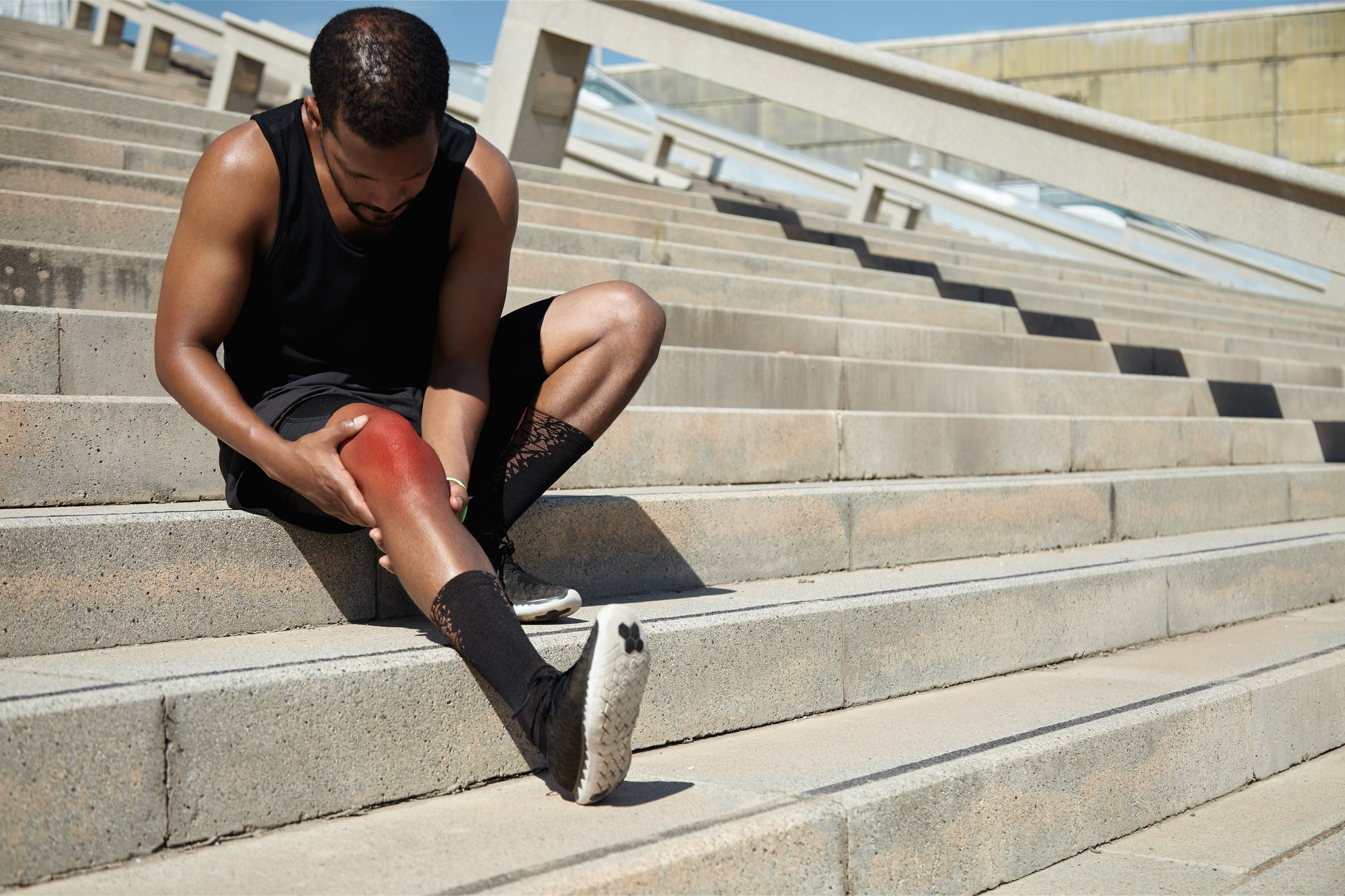
Restoring strength and stability for a long-lasting, functional knee.
A knee replacement is designed to be a life-changing solution for mobility, but occasionally, the original implant may fail due to wear, instability, or infection. A Complex Revision Knee Replacement is a highly specialized procedure performed by Dr. Kevin Park to replace a failed artificial joint and restore the knee’s proper biomechanics.
Request an AppointmentWhat Makes a Revision “Complex”?
Unlike a primary knee replacement, which involves resurfacing the bone for the first time, a revision requires navigating existing scar tissue and addressing bone loss from the previous surgery.
Dr. Park uses advanced surgical techniques and specialized components to ensure the new joint is secure:
- Specialized Stems: Revision implants often feature longer, thicker stems that extend further into the femur (thigh bone) and tibia (shin bone) to provide extra support where bone may be weakened.
- Bone Reconstruction: In cases where bone has worn away, Dr. Park may use metal “shims,” augments, or bone grafting to rebuild the joint’s foundation.
- Soft Tissue Balancing: Re-establishing the correct tension in the ligaments is critical for a knee that feels “natural” and doesn’t give way.
Signs You May Need a Knee Revision
If you have previously had a knee replacement and are experiencing any of the following, a revision evaluation may be necessary:
- Persistent Pain or Swelling: Pain that returns years after surgery or never fully went away.
- Instability: A feeling that your knee is “wobbling,” shifting, or giving out during daily activities.
- Stiffness: A significant loss in your ability to bend or straighten your leg, often due to scar tissue (arthrofibrosis).
- Implant Loosening: When the bond between the metal and your bone weakens, causing the implant to shift.
- Infection: A serious complication that usually requires a “two-stage” revision to clear the bacteria before a new joint can be placed.
Your Recovery Journey
Recovery from a revision surgery is typically more gradual than a primary replacement. Because the procedure is more involved, Dr. Park and his team provide a comprehensive rehabilitation plan focused on:
- Protecting the Reconstruction: Carefully managing weight-bearing to allow the bone to bond with the new, larger implants.
- Restoring Range of Motion: Targeted physical therapy to break through scar tissue and regain flexibility.
- Long-Term Durability: Education on activity modification to ensure your revised knee lasts for years to come.
Don’t Settle for a Painful Knee
If your previous knee replacement is no longer supporting your lifestyle, Dr. Kevin Park can provide the expert intervention needed to get you back to the activities you love.